Our #1 Best Selling Duo – Madhuveda
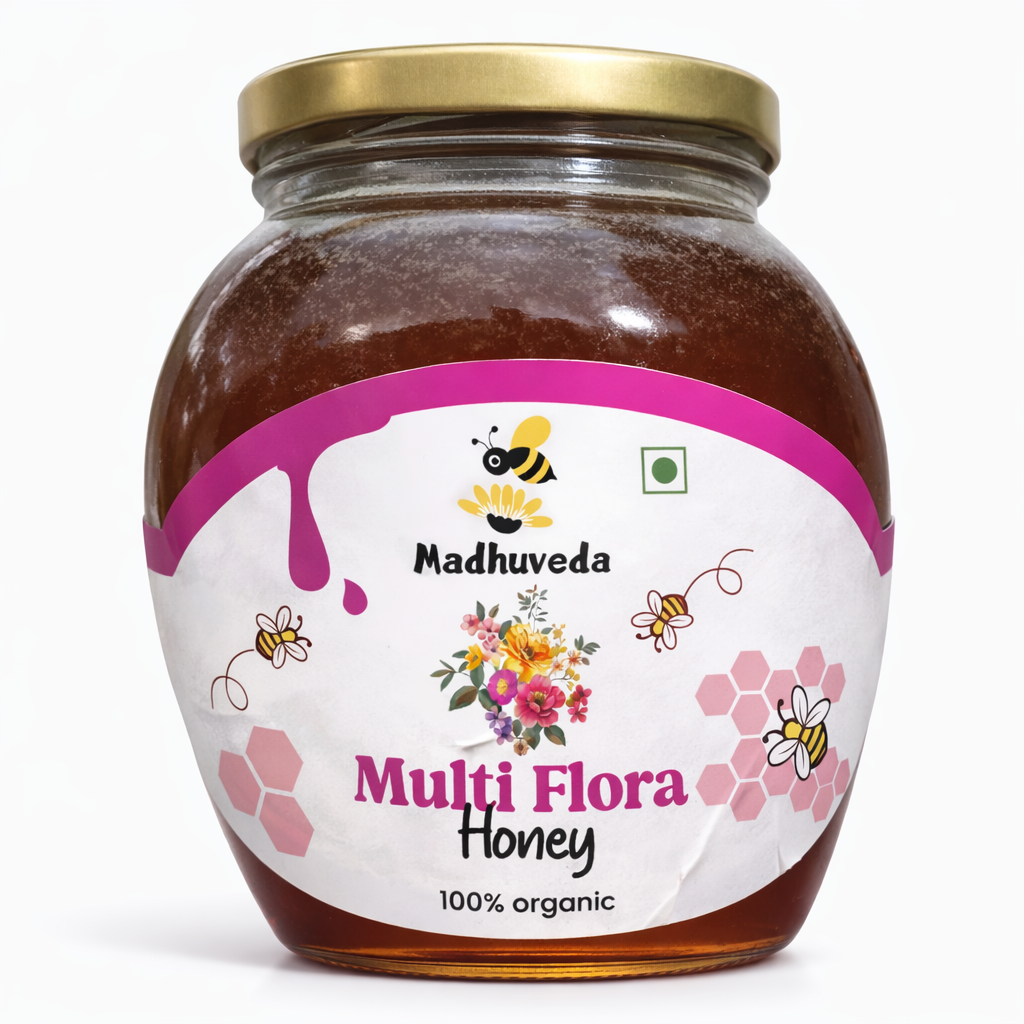
Eucalyptus & Babul Honey
- Essence of Many Flowers
- Direct from Beekeepers
- not heated
- Seasonal Purity
Honey Extraction Process in
Madhuveda
STEP 01 —

Bees Collect the Nectar & Pollen
Bees visit flowers and collect nectar and pollen — this is where the honey's floral identity begins.
STEP 02 —

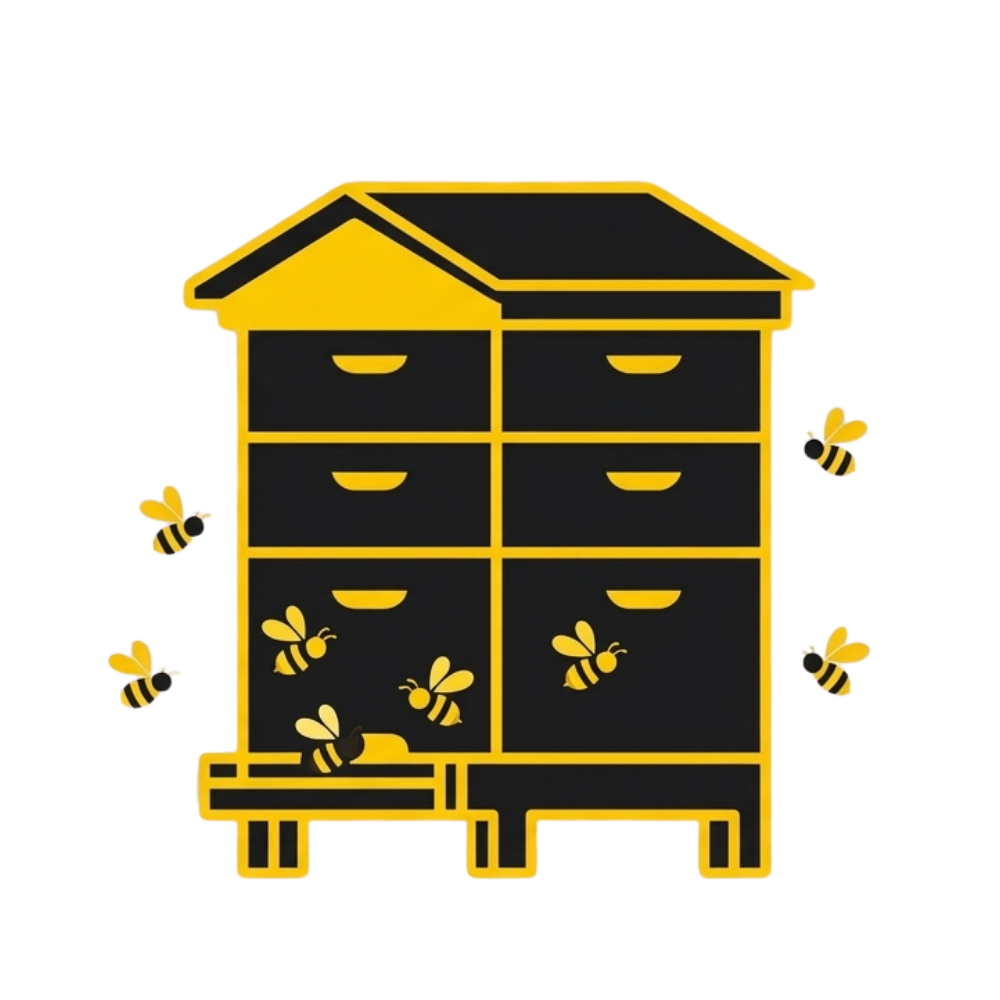
Stored in the Hive
Bees deposit nectar into honeycomb cells inside the beehive, where it slowly ripens and thickens naturally.
STEP 03 —

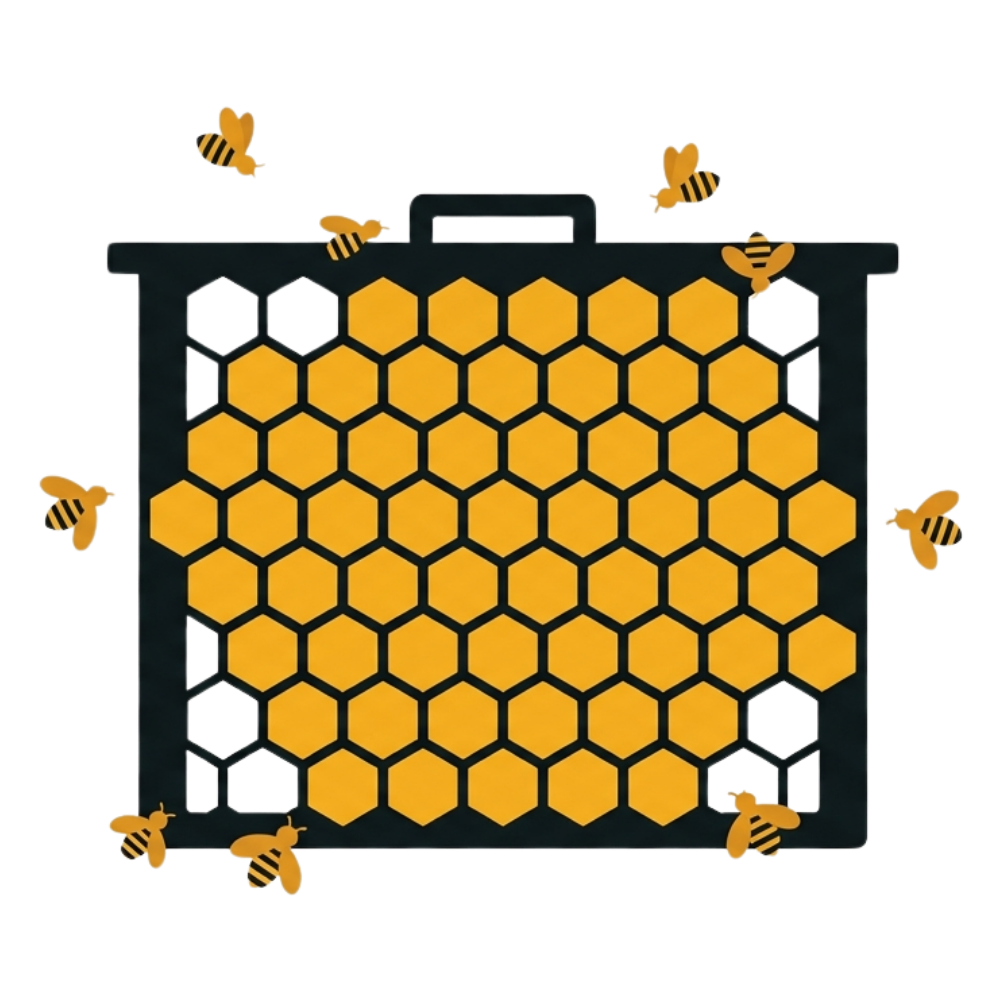
Wax Capping — The Signal We Wait For
When honey is fully ripe, bees seal hive cell with beeswax. then We harvest capped frames — this is our quality standard, not the industry's.
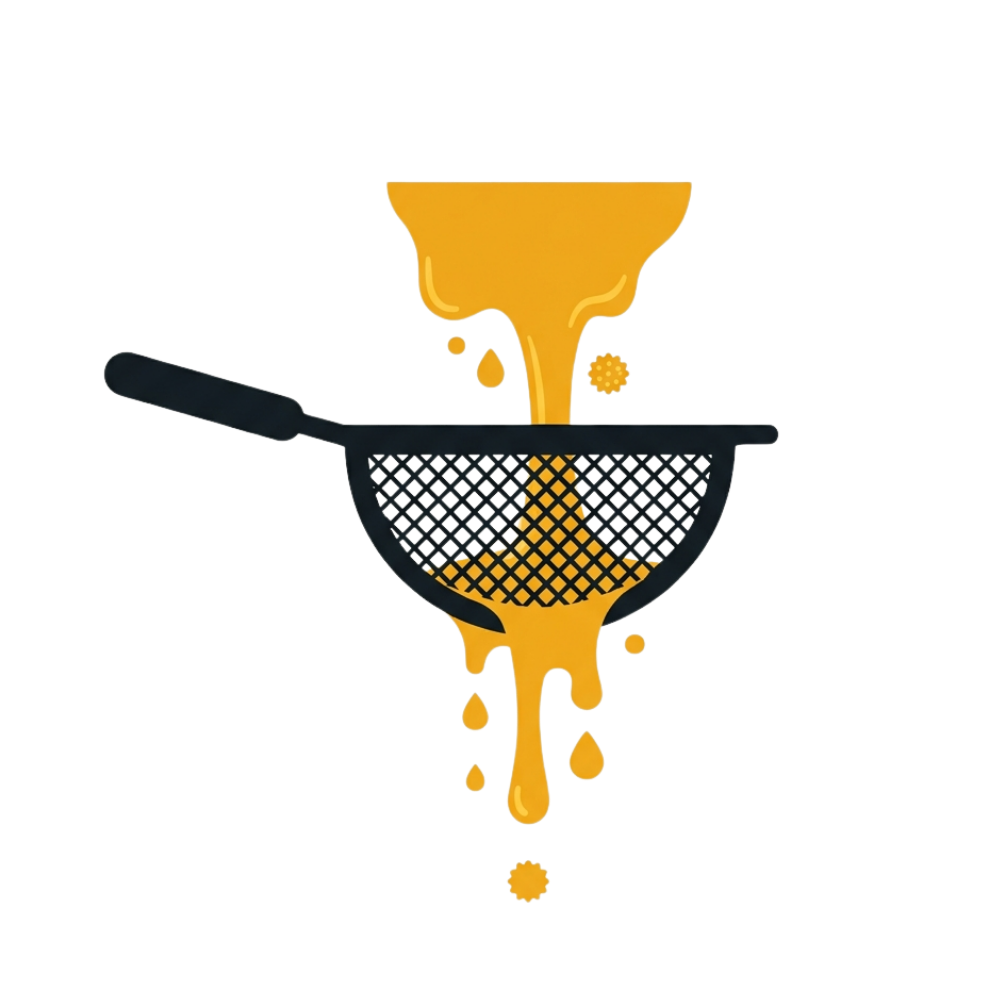
STEP 04 —

Single Straining — No Fine Filtering
We pass honey through strainer once — only to remove large particles like wax and bee parts. Pollen stays. Enzymes stay. Nothing beneficial is removed.
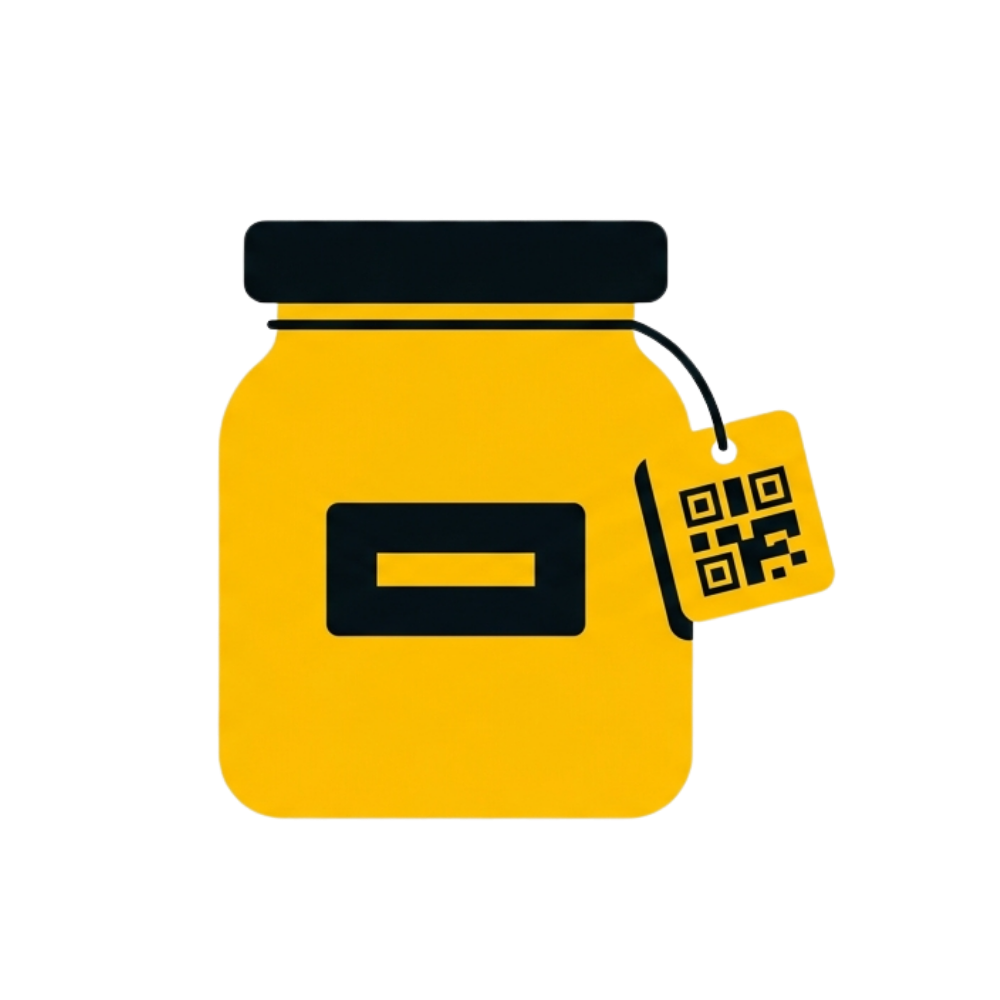
STEP 05 —

Bottled & Labeled
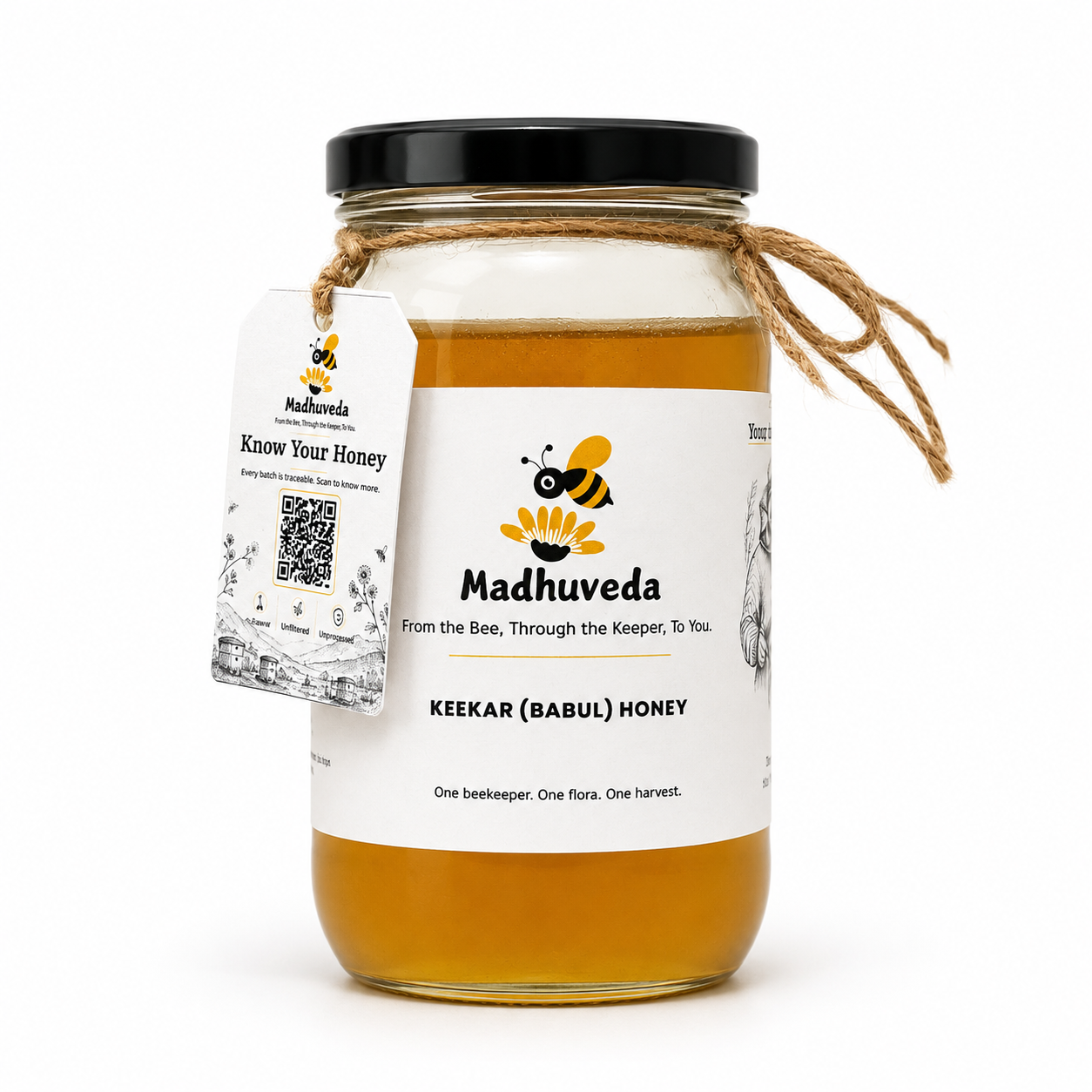
Honey is filled into jars. The label carries the beekeeper's name, harvest date, and flora source. The cap tag carries a QR code linked to the lab report for that exact batch.
What makes madhuveda different
Six things we do that mainstream brandswon't even discuss.
01
Know who harvested your honey
Your jar label shows the beekeeper’s name, photo and address. It also tells you where and when the honey was harvested.
02
Per-harwest Lab Testing
Even when two harvests come from the same beekeeper, we send a sample from each for all 11 lab checks. Each harvest gets its own report.
03
Never Heated — Ever
Some honey sold as “raw” is warmed for bottling. Heat can reduce the activity of honey’s natural enzymes, so we keep ours unheated
04
Pollen Preserved — Single Strain Only
ultra filtration & heating can remove pollen that helps trace honey floral source. We strain our honey once to catch bits of wax and bee fragments.
05
Wax-Capped Frames Only
Harvesting early can increase yield, and unripe honey may need heating after extraction. Our beekeepers harvest only after the bees seal the cells with wax.
06
Your harvest, Your lab report
When a jar says “lab tested,” you should be able to read the results. Scan the QR code on the tag around your jar’s neck to open the lab report for that exact harvest.
These aren’t marketing claims. Each differentiator is backed by a verifiable process, a lab test, or a physical label element you can check yourself when your jar arrives.
They Scanned the Cap.
Then They Ordered Again.
Unfiltered reactions from real people who switched to traceable honey.
"What Yukta Razai Said About MadhuVeda Honey | Genuine Feedback"
"Vishal Kumavat Honest Review: Locals Ne Recommend Kiya MadhuVeda Honey."
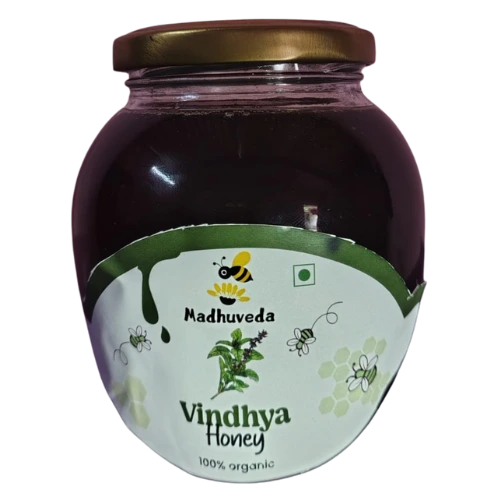
"Ritik From Rajasthan: Beekeeping Sammelan Me MadhuVeda Honey Dekha Aur Try Kiya."
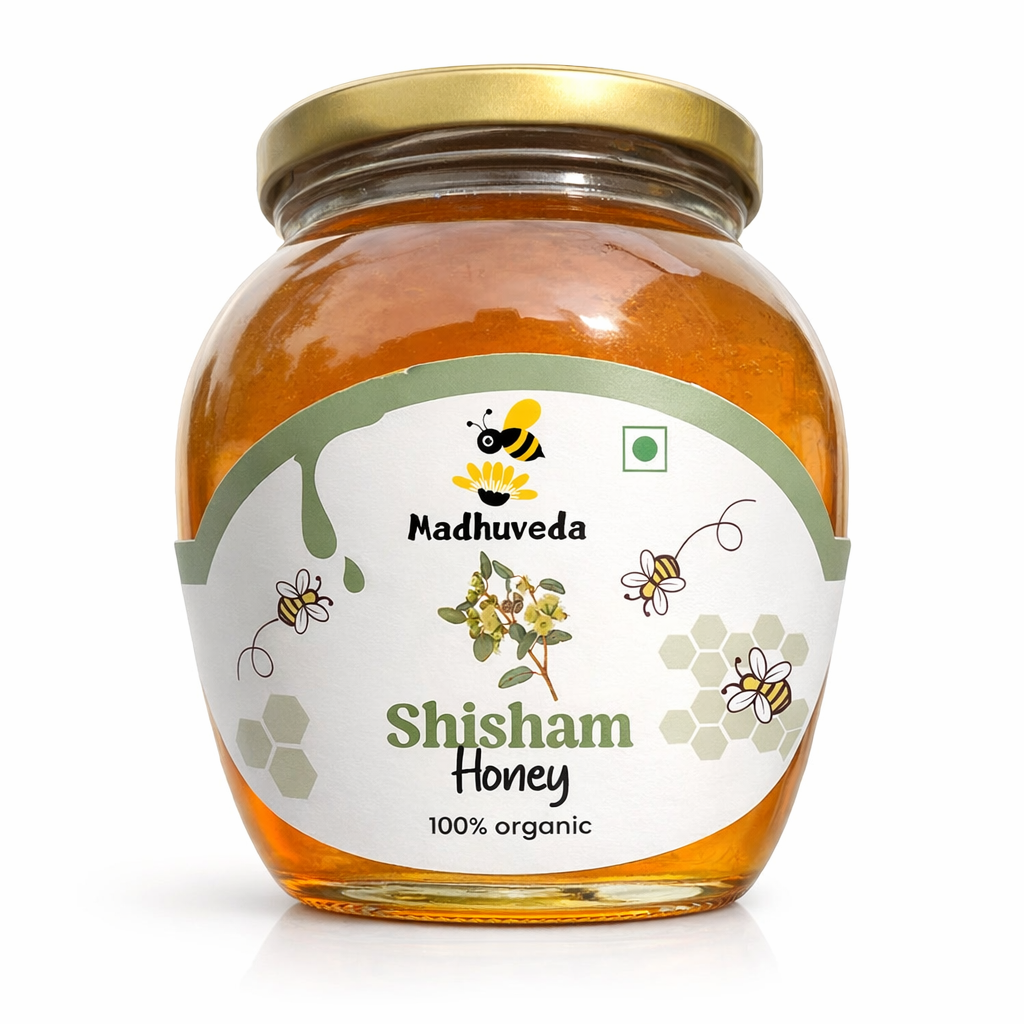
"Vikas from Bihar Shares His Experience with MadhuVeda Honey."
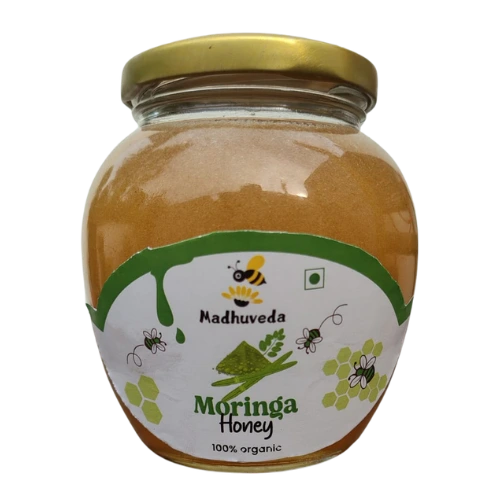
"Arvind Kanwariya ka honest feedback MadhuVeda ke baare mein."
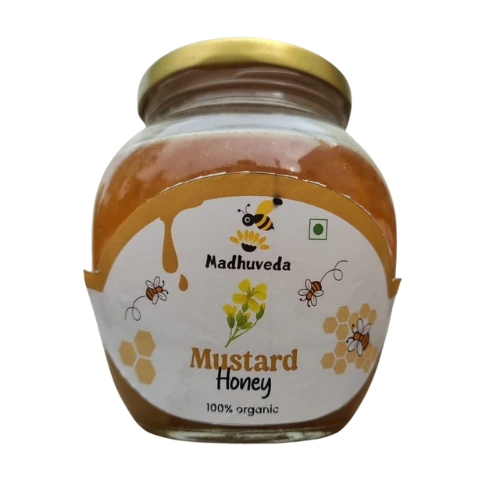
"raj singh from delhi sharing his journey with madhuveda"
Hear from our coustomer
Our customers love MadhuVeda’s pure taste. Hear from our customers!
our mission
“To deliver honey in its most honest form — raw, unprocessed, and fully traceable — so
that every jar tells the complete story of its origin.”
Laboratory Testing
What we test in every harvest
C4 Sugar & Carbon Isotopes
C3 Sugar & Syrup Markers
Proline
HMF —
Hydroxymethylfurfural
HMF is a compound that can build up as honey ages or is exposed to heat. The lab measures how much is present in the harvest sample.
Moisture Content
Pollen & Plant Elements
We send a sample from every harvest for 11 lab checks. Seven look for signs of added syrup. These cover C4 sugar, three carbon isotope comparisons, two rice syrup markers (SMR and TMR), and foreign oligosaccharides. The other four measure honey quality: HMF, moisture, proline, and pollen count. The batch number on your jar links it to the lab report for that secific harvest.